How to Attract Birds to Your Garden: The Complete UK Guide
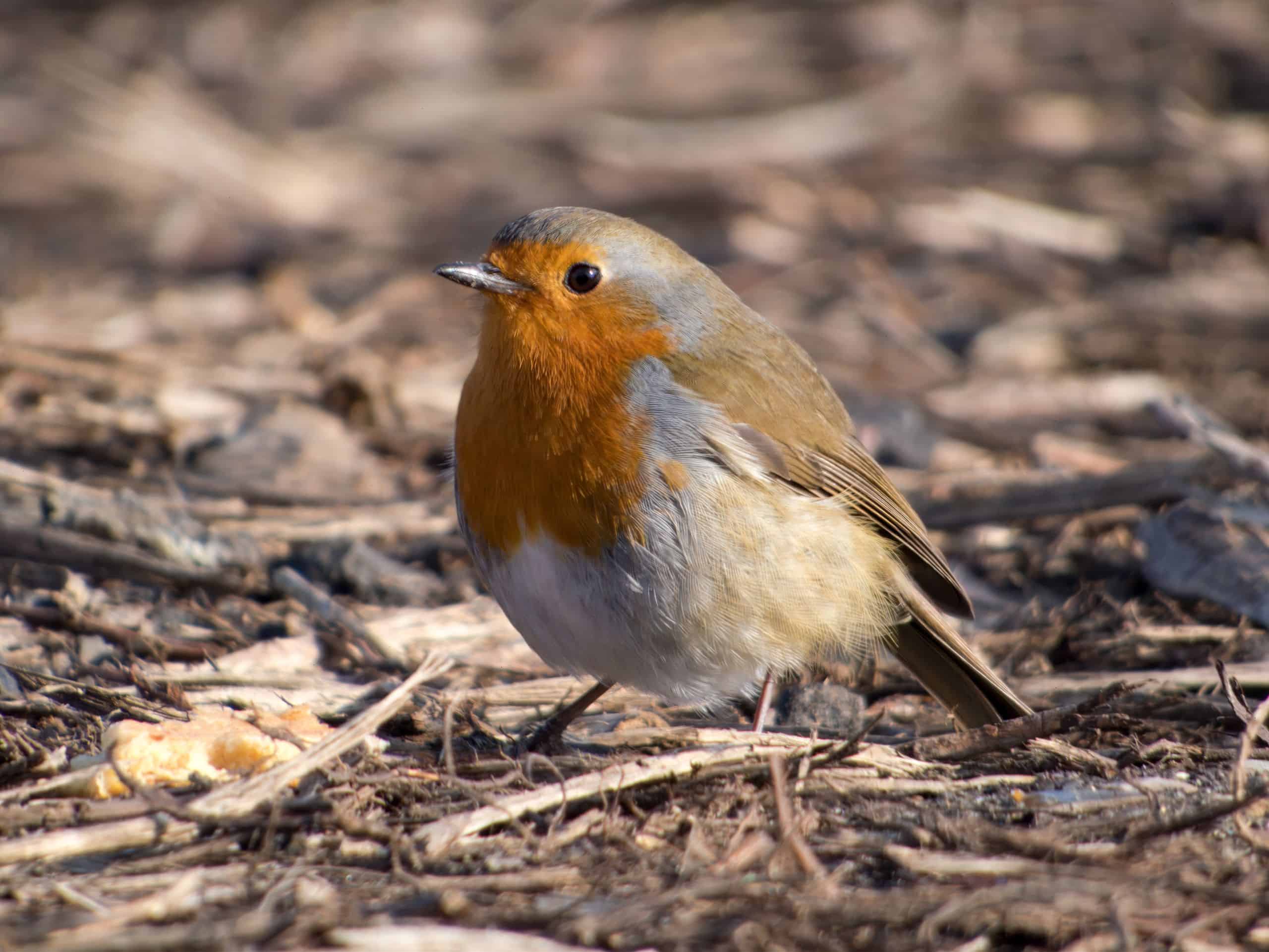
Would you like to wake up to birdsong, watch sparrows gathering around the garden or see a robin taking its first cautious dip in your bird bath?
Attracting birds does not require an enormous garden or expensive equipment. Birds need the same basic things wherever they live: reliable food, clean water, shelter and somewhere safe to raise their young. Even a small garden, balcony or patio can provide some of these essentials.
Our own Wild Garden Life journey began when we noticed a garden bird, which brought a moment of joy during a very difficult time for our family. We started paying more attention, making small changes and filming the wildlife that visited. Before long, the garden became somewhere we could slow down, reconnect with nature and enjoy together.
In this guide, we’ll explain how to attract birds to your garden safely, which improvements make the biggest difference and how to create a space they will want to revisit throughout the year.
10 quick ways to attract birds to your garden
If you want to begin today, start with these simple actions:
- Provide a shallow container of fresh water.
- Keep bird baths and feeding equipment clean.
- Follow current seasonal bird-feeding guidance.
- Offer appropriate food in suitable feeders.
- Grow plants that provide seeds, berries and insects.
- Include shrubs, hedges and other protective cover.
- Avoid using pesticides wherever possible.
- Install an appropriate nest box.
- Leave one small part of the garden less tidy.
- Be patient and keep your garden welcoming.
You do not need to make all ten changes at once. Fresh water, safe shelter and better planting can create a noticeable improvement on their own.
Start with fresh water
Water is one of the easiest and most effective ways to attract birds. They need it for drinking and bathing throughout the year, including during summer heat and freezing winter weather.
A bird bath does not need to be elaborate. A purpose-made bath, strong plant saucer or shallow container can work well, provided it is stable and easy to clean. The water should be shallow enough for smaller birds to use safely, with gently sloping sides or a textured surface that gives them a secure grip.
Position the bath somewhere birds can survey their surroundings before approaching. Nearby shrubs can provide an escape route, but avoid placing the water directly beside dense cover where a cat could hide and pounce.
Replace the water regularly and remove feathers, droppings, leaves and other debris. During hot weather, you may need to refill it more than once a day. In winter, check it each morning and replace frozen water rather than using salt, antifreeze or other chemicals.
From our garden: raising the bird bath
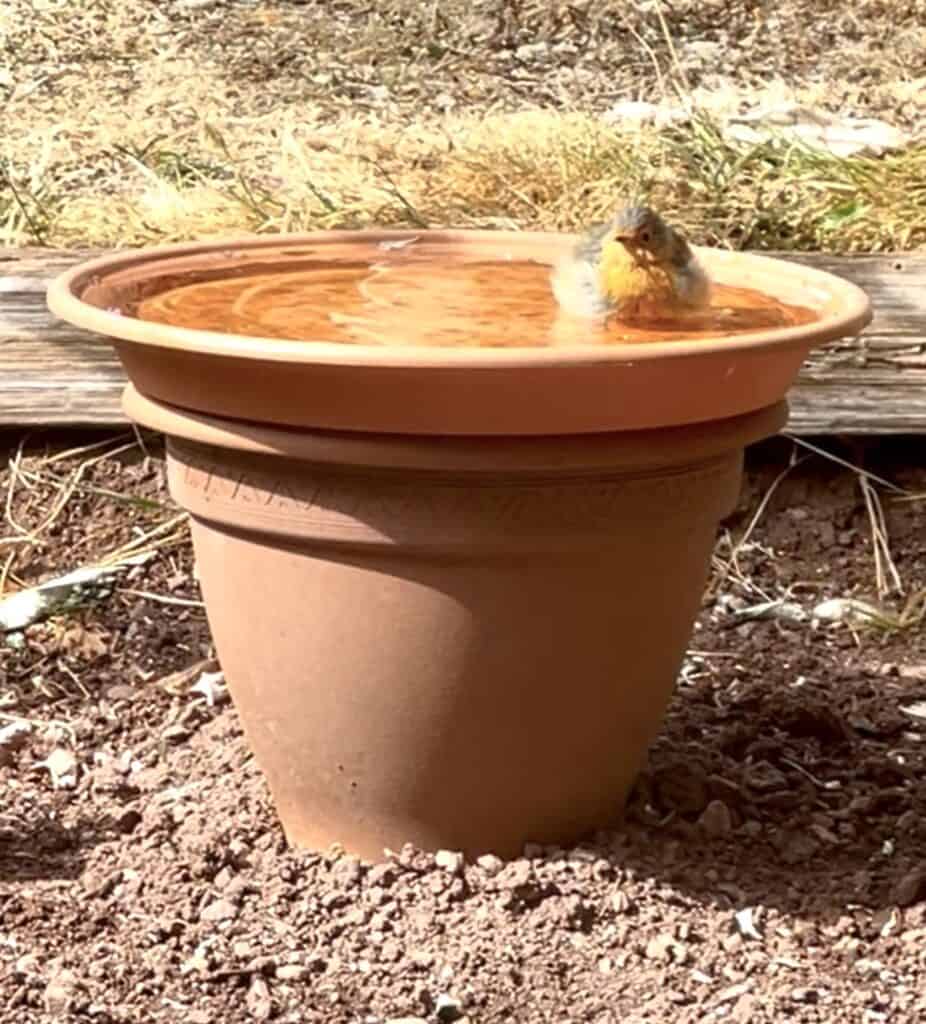
In our garden, we place one of our water containers on top of a plant pot. Raising it makes the container easier to remove and clean, helps prevent soil and grass from getting into it and gives us a much clearer view of the birds using it.
This simple setup has attracted sparrows, blackbirds, robins and our famously enthusiastic pigeon, Didge the Pidge. Didge does not merely take a quick dip, he can turn bath time into a full performance.
Help birds bathe safely
Bathing helps birds maintain their feathers. After splashing, they usually retreat to a safe perch to preen, realigning their feathers and spreading natural oils through them.
A suitable bird bath should be:
- Shallow rather than steep-sided
- Stable and unlikely to tip
- Textured enough to provide grip
- Easy to empty and scrub
- Positioned with a clear view of approaching danger
- Close enough to shelter for a quick escape
Different species bathe differently. Sparrows may arrive together and create complete chaos, while a robin can spend several minutes deciding whether it is safe. Pigeons often appear to settle in as though the bath belongs exclusively to them.
Watching these different personalities is one of the pleasures of creating a wildlife-friendly garden. Check out our YouTube channel and watch the action
Feed garden birds safely and seasonally
Bird feeding advice in the UK has changed as experts have learned more about diseases such as trichomonosis. Shared food and water can bring many birds into close contact, allowing an infection to spread through contaminated saliva, food or surfaces.
Current RSPB guidance recommends providing seeds and nuts during the colder months, from November to April, when natural food can be harder to find. From May to October, it recommends removing seed and nut feeders and, if supplementary feeding is needed, offering only small quantities of foods such as mealworms, suet or fat products. Food should never be allowed to sit outside and spoil.
Guidance can continue to change, so check the latest advice from a trusted wildlife organisation before publishing or substantially updating this article.
Foods you may offer during the colder months
A varied selection can attract different species because birds have different feeding habits and beak shapes. Suitable choices can include:
- Sunflower hearts
- High-quality seed mixtures
- Nyjer seed in an appropriate feeder
- Unsalted peanuts in a rigid mesh feeder
- Suet products without plastic netting
- Suitable mealworms
- Small pieces of suitable fresh fruit for species such as blackbirds
Avoid salty food, mouldy food and anything cooked with strong seasoning. Never put out milk, and do not provide food in plastic netting that could trap a bird’s feet or beak.
Some human foods offer little nutrition and can create additional problems. It is better to provide a small amount of suitable bird food than a large quantity of leftovers.
From our garden: the mealworm experiment
After a spell of torrential rain, we placed some dried mealworms outside to see which visitor would investigate first. A sparrow was the first to commit, followed by Rockin’ Robin. Didge came within inches of the dish but remained deeply suspicious of the entire arrangement.
Moments like this show why watching your garden is so valuable. You begin to learn which foods attract particular birds, how confident each species is and which feeding locations make them feel secure.
Choose the right type of feeder
Different feeders suit different foods and birds. A hanging seed feeder may attract tits and sparrows, while a specialised nyjer feeder is designed for tiny seeds. A rigid peanut feeder prevents birds from taking dangerously large pieces.
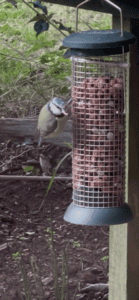
Following concerns about the transmission of disease, flat feeding tables and open trays require particular caution. Food can mix with droppings, rainwater and saliva, creating conditions in which infection can spread. Enclosed hanging feeders are easier to manage, but they still need frequent and thorough cleaning.
Whichever feeder you choose, use one that can be taken apart and scrubbed properly. Complicated decorative feeders may look attractive but are not helpful if old food becomes trapped in inaccessible corners.
Where should you position a bird feeder?
Place feeders somewhere birds have a clear view of their surroundings and can escape quickly if threatened. Nearby natural cover is useful, but the feeder should not be so close to thick vegetation or fencing that a cat can approach unseen.
Avoid placing a feeder directly over a frequently used bird bath because dropped food and droppings can contaminate the water. It is also sensible to avoid locations where food continually accumulates beneath the feeder.
Move your feeders periodically, clear discarded food from the ground and pay attention to how the birds behave. If they continually approach but refuse to land, the location may feel too exposed or unsafe.
Windows require special thought. Feeders placed at an unsuitable distance can increase the risk of collisions, particularly when reflections make the glass appear to be open sky or vegetation. Consider using suitable window markings if collisions are a problem in your garden.
Keep feeders and bird baths clean
Good hygiene is not an optional extra. A busy feeding station brings birds together, and that makes regular cleaning essential.
Discard wet, stale or mouldy food rather than adding fresh food on top. Clean feeders outside using equipment reserved for that purpose, follow the manufacturer’s instructions and allow everything to dry fully before refilling. Wear gloves, avoid cleaning wildlife equipment near food-preparation areas and wash your hands afterwards.
Bird-bath water should be replaced frequently, particularly when several birds use it. Scrub away visible dirt rather than simply topping up old water.
If you see birds that appear unusually lethargic, have difficulty swallowing, show wet feathers around the beak or remain sitting around a feeder, stop feeding immediately and seek current advice from a wildlife-health organisation. Empty and disinfect the feeding equipment before considering whether it is safe to resume.
Grow plants that feed birds naturally
One of the best long-term ways to support birds is to grow plants that provide natural food. Plants can produce seeds, fruits and berries while also supporting the insects that many birds need, especially when feeding their young.
Useful choices for a UK wildlife garden can include:
- Sunflowers for their seeds
- Teasel for seed-eating birds
- Ivy for shelter, late flowers and berries
- Holly for cover and berries
- Hawthorn for blossom, insects and autumn fruit
- Rowan for clusters of berries
- Crab apple for flowers and fruit
- Honeysuckle for flowers, insects and dense growth
- Native grasses and wildflowers that support seeds and invertebrates
Always choose plants suitable for your garden’s soil, space and light levels. Check the eventual height and spread before planting, and be careful with plants that may be toxic if children or pets share the garden.
A variety of plants is more valuable than relying on a single species. Aim for different heights, flowering periods and food sources so that the garden remains useful across multiple seasons.
Make room for insects
Many familiar garden birds depend heavily on insects and other invertebrates. Robins, wrens, blackbirds, blue tits and sparrows may all search for caterpillars, beetles, spiders, worms and other small creatures.
Avoiding pesticides is one of the most useful changes you can make. Chemicals intended to kill garden pests may also remove the natural food birds need.
Leave some fallen leaves beneath shrubs, allow plants to develop seed heads and avoid cutting every stem down immediately after flowering. A small log pile or patch of longer grass can support an entire miniature ecosystem without making the whole garden look neglected.
Healthy gardens contain relationships rather than isolated attractions. Plants support insects, insects support birds and birds contribute to the balance of the garden.
Provide shelter and safe cover
Birds need somewhere to hide from predators, escape harsh weather and rest between feeding visits. Dense shrubs, hedges, climbers and small trees can all provide valuable protection.
Where possible, create layers of vegetation. Ground-level plants shelter invertebrates and ground-feeding birds, shrubs provide cover and nesting opportunities, and taller trees offer lookout points and roosting places.
A perfectly bare garden may be easy to maintain, but it offers birds little protection. Even one dense shrub, climbing plant or mixed hedge can make a small space feel considerably safer.
Before cutting hedges or dense vegetation, check carefully for active nests. Wild birds, their nests and their eggs are legally protected, and nesting birds must not be disturbed.
Add a nest box
A nest box can provide an important breeding site where natural holes are scarce. However, the correct design and position depend on the species you hope to attract.
Small-hole boxes may be used by blue tits or great tits, while open-fronted boxes can suit birds such as robins when placed in properly concealed locations. House sparrows often nest socially and may use grouped or terraced boxes.
Choose a solid, weather-resistant box with suitable drainage and ventilation. Avoid boxes with an outside perch beneath the entrance hole, as nesting birds do not need one and it may make access easier for predators.
Do not place a box where it will receive relentless midday sun or driving rain. Fix it securely, keep the entrance unobstructed and position it away from heavily used feeders, where constant activity could disturb nesting birds.
There is never a guarantee that a box will be occupied immediately. Birds may inspect it repeatedly before deciding whether it feels safe, and some boxes remain empty for a season before being accepted.
Leave one area a little wild
A wildlife-friendly garden does not need to look abandoned. The goal is simply to avoid removing every natural feature birds can use.
A small wild corner might contain:
- Longer grass
- Fallen leaves beneath a hedge
- Seed heads left standing
- A pile of logs or branches
- Native wildflowers
- A shallow muddy area used by some birds for nesting material
These features provide food and shelter for insects, which in turn provide food for birds. They can also give shy species somewhere to forage away from the busiest parts of the garden.
Protect birds from cats and other dangers
Birds naturally face predators, but sensible garden design can reduce avoidable risks. Position food and water so birds can see their surroundings, while ensuring a cat cannot hide immediately beside the feeding area.
If you own a cat, keeping it indoors during periods of high bird activity can help. Dawn and dusk are particularly busy times in many gardens. A brightly coloured quick-release collar cover may make a cat more visible, but any collar must be designed to release safely if caught.
Nest boxes should be securely installed and inaccessible to cats. Avoid placing them beside fences, branches or structures that create an easy launching point.
Other garden hazards include uncovered water containers, loose netting and reflective windows. Check your outdoor space from a bird’s perspective and remove anything in which feet, wings or beaks could become trapped.
Support birds through winter
Cold weather increases the energy birds need simply to survive. Short days also leave them with less time to find enough food before nightfall.
Winter is therefore an important time to provide high-energy food safely. Keep feeders clean, offer only an amount the birds will consume and ensure fresh drinking water remains available.
Do not allow food to become buried beneath new supplies or remain wet after prolonged rain. Several smaller, well-managed feeding points may be easier to keep clean than one overcrowded station.
Natural winter food matters too. Berry-producing shrubs, seed heads, fallen fruit and insect-rich leaf litter can continue feeding wildlife long after summer flowers have disappeared.
Birds you might attract to a UK garden
The birds that visit will depend on your location, surrounding habitat and the features in your garden. Urban gardens can still attract an impressive range of species.
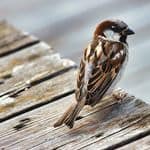
House sparrow
House sparrows are sociable birds that frequently arrive in groups. They appreciate dense cover, suitable nesting spaces and access to seeds and insects.
Robin
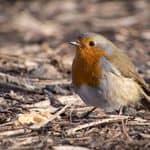
Robins often forage close to the ground, watching for insects and worms. They can become confident around people, although they remain territorial towards other robins.
Our regular visitor, Rockin’ Robin, has provided some of our favourite garden moments. We watched him hesitate beside the bird bath before finally committing to a full bath after the rain.
Blackbird
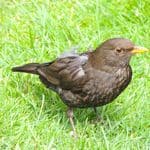
Blackbirds search lawns, borders and leaf litter for worms and invertebrates. They also eat fruit and berries and often enjoy a good bath. We have named our blackbird Eileen! You can check out the video here on how she got her name.
Blue tit and great tit
These agile birds may visit suitable hanging feeders and search plants for insects. They can also use appropriately designed nest boxes.
Starling
Starlings are intelligent, noisy and full of character. They frequently arrive in groups and can turn a quiet bath or feeding area into a lively spectacle.
Long-tailed tit
Long-tailed tits often travel in small family groups, moving quickly between trees and shrubs. We were thrilled when several appeared together in our buddleia.
Woodpigeon
Woodpigeons are large, familiar and sometimes unintentionally comical visitors. Didge the Pidge has become one of the main characters in our garden, whether he is bathing, drinking, hesitating over new food or apparently rescuing a sparrow from a magpie. Meet Didge the Pidge Here
Wren
Wrens are tiny but surprisingly loud. Dense planting, tangled vegetation and insect-rich areas can make a garden more attractive to them.
You may also see goldfinches, chaffinches, collared doves, coal tits, jackdaws, magpies or more occasional visitors. Keep a simple record of what appears and when; you may notice patterns that were invisible before you started paying attention.
How to attract birds to a small garden
A small garden can be extremely valuable because birds judge a space by the resources and safety it provides, not by its measurements.
Prioritise features that serve more than one purpose. A berry-producing shrub might provide food, shelter and a nesting site. A climbing plant can offer flowers for insects as well as protective cover for birds.
Vertical space is particularly useful. Wall-mounted nest boxes, climbing plants and carefully positioned hanging feeders allow you to create habitat without losing much ground space.
If room is limited, begin with fresh water and one suitable plant. Watch what happens before adding more.
Can you attract birds to a balcony?
Yes, although your options will depend on the building, height and permission to attach items.
Containers planted with wildlife-friendly flowers can attract insects, while a small, stable water dish may help visiting birds. Keep everything secure so that it cannot fall or blow from the balcony.
Balcony feeding requires especially careful hygiene because spilt food can attract unwanted visitors or fall onto neighbouring property. Consider whether plants and water would be more appropriate for your situation than a conventional feeder.
Be patient and consistent
Birds may not use a new bath, feeder or nest box immediately. They need time to discover it and decide that the location is safe.
Avoid constantly moving new features unless their position is clearly unsuitable. Watch from indoors or from a distance, and give shy visitors space to investigate without interruption.
The first visitor may arrive within hours, or it may take several weeks. Once one bird begins using a resource confidently, others often notice.
Frequently asked questions
How long does it take to attract birds?
There is no fixed timescale. Birds may find fresh water quickly, while a new nest box could remain unused for a season or longer. Local bird populations, surrounding habitat, safety and the time of year all affect the result.
Why are birds not using my bird bath?
The water may be too deep, the surface too slippery, or the location too exposed. Try using a shallower container, adding a textured stone for grip and making sure birds have a clear view with safe cover nearby.
Remember that birds may visit very quickly when nobody is watching. A small wildlife camera can reveal activity you would otherwise miss.
Should I feed birds throughout the year?
Follow the latest UK guidance rather than relying on older general advice. Current RSPB recommendations support seasonal feeding, with seeds and nuts offered during the colder period from November to April and removed between May and October to help reduce disease transmission.
If providing alternative food during the warmer months, offer only small quantities of suitable products and remove anything uneaten. Hygiene remains essential at every time of year.
Can birds become dependent on feeders?
Wild birds generally use multiple food sources rather than relying entirely on a single garden. Feeders supplement natural food, which is why wildlife-friendly planting remains so important.
Should I put bread out for birds?
Bread provides limited nutrition and can fill a bird without supplying the energy and nutrients it needs. Occasional small amounts are unlikely to be the best way to support garden birds; suitable bird food and natural planting are better choices.
How often should I clean a bird bath?
Replace dirty water promptly and clean the bath regularly, increasing the frequency during hot weather or periods of heavy use. If droppings or visible contamination appear, do not wait for a scheduled cleaning day.
Where is the safest place for a nest box?
Choose a quiet, sheltered position away from strong sunlight, prevailing wind and busy feeding areas. The exact height, entrance size and location should suit the intended species.
Are bird feeders safe?
They can provide valuable support, particularly during colder months, but poorly maintained feeders can spread disease. Use suitable designs, provide only manageable quantities, clean them thoroughly and follow current seasonal recommendations.
What should I do if I see a sick bird?
Stop feeding, remove shared water and seek current guidance from an organisation such as Garden Wildlife Health, the RSPB or BTO. Do not handle the bird unnecessarily, and clean equipment carefully while following appropriate hygiene precautions.
A seven-day bird-friendly garden challenge
You can begin improving your garden without completing a huge project. Try one manageable action each day.
Day 1: Add fresh water
Set out a clean, shallow and stable water container. Choose a location with good visibility and a safe escape route.
Day 2: Review your feeding setup
Check whether your feeding matches current seasonal guidance. Throw away old food and remove any unsuitable or damaged equipment.
Day 3: Clean everything
Wash the bird bath and any feeders currently in use. Clear dropped food and debris from the surrounding ground.
Day 4: Add or choose one bird-friendly plant
Select a plant that provides flowers, seeds, berries, shelter or several of these benefits. Make sure it suits your space and growing conditions.
Day 5: Create a wild corner
Leave a few seed heads, gather a small log pile or allow a patch of grass to grow longer. Even a modest area can support insects.
Day 6: Check for hazards
Look for loose netting, unsafe water containers, cat ambush points and windows where collisions occur. Make one practical safety improvement.
Day 7: Watch and record
Spend ten quiet minutes observing the garden. Write down the birds you see, what they do and which areas they use.
Repeat the observation each week. The record will help you understand which changes are working and may introduce you to visitors you had never noticed before.
Every garden can make a difference
You do not need a perfect garden to help birds. Fresh water, appropriate seasonal food, safe shelter, natural planting and good hygiene can transform even a small outdoor space.
The most important change may simply be paying attention. Once you begin watching closely, a sparrow taking its first drink, a robin searching beneath a leaf or a pigeon performing an unnecessarily long bathing routine can become the best part of the day.
That is what Wild Garden Life is about: noticing the wildlife already around us, sharing the joy it brings and finding realistic ways to give it a little more help.
Start with one small change, keep watching and let your garden come to life.
Continue creating your wildlife-friendly garden
Explore more Wild Garden Life guides:
- How to provide water for garden birds
- What to feed garden birds in the UK
- How to clean a bird bath safely
- The best plants for attracting birds
- How to attract robins to your garden
- How to create a wildlife-friendly garden
Read more about About Us, join the Wild Garden Life Club, and don’t forget to check out our Blog!