How to Attract Bees to Your Garden: The Complete UK Guide
If you’re wondering how to attract bees to your garden, start with flowers, somewhere safe to nest and a little room for nature. You don’t need a huge garden or an expensive makeover. A few thoughtful changes can make your outdoor space more welcoming.
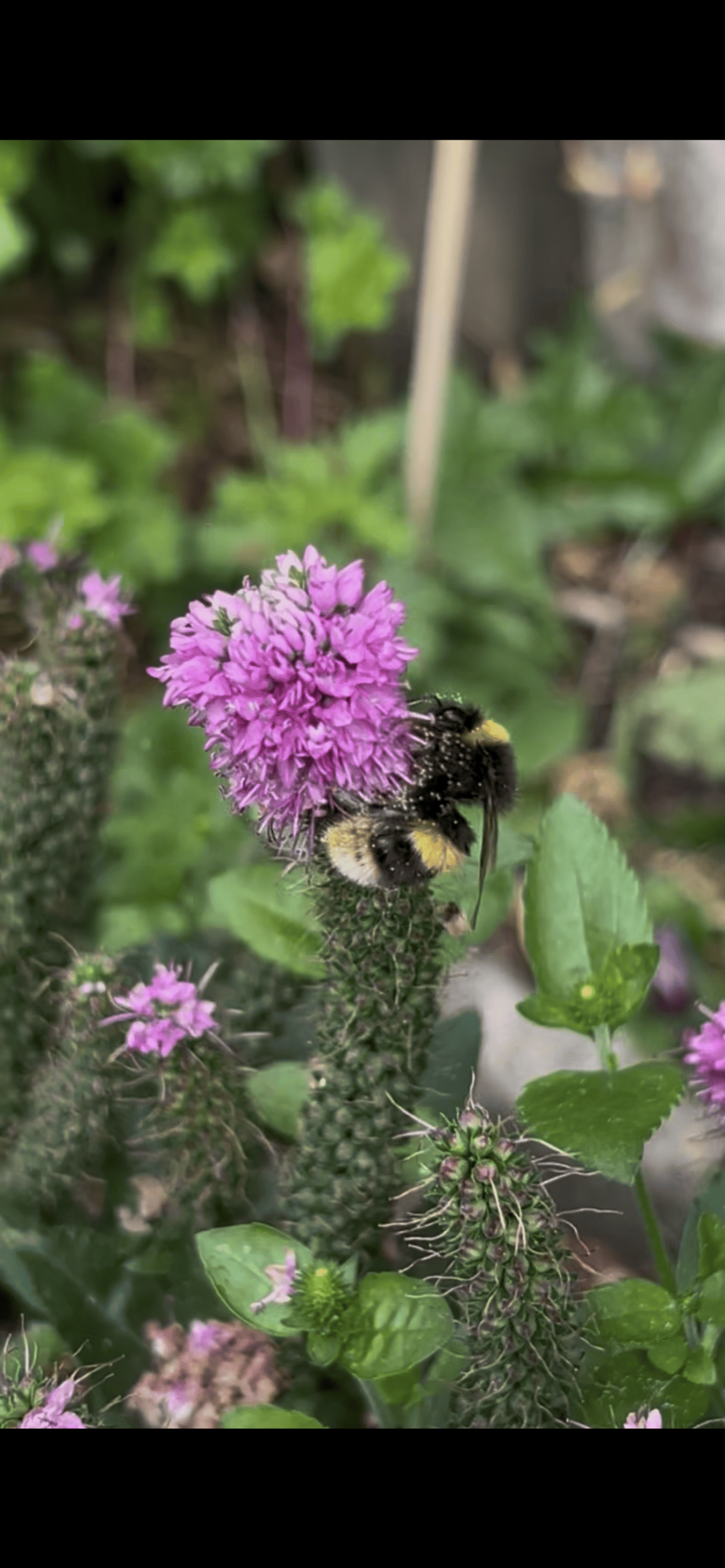
At Wild Garden Life, we’ve enjoyed watching and filming bees visiting our flowers, including our sunflowers and buddleia. Looking closely turns an ordinary garden moment into something fascinating: a bee disappearing into a bloom, emerging covered in pollen or moving steadily from flower to flower.
This guide brings together practical ideas for UK gardens, patios and balconies. Start with what you have, then build on it a little at a time.
Why attract bees to your garden?
Bees move pollen between flowers as they feed, helping many plants produce seeds and fruit. Their visits support both wild plants and crops.
Gardens can offer food and nesting opportunities, particularly where the surrounding landscape has fewer flowers. They also give us somewhere to watch wildlife close to home. Instead of seeing a flower bed only as decoration, you begin to notice the visitors using it.
You can read more about the family behind Wild Garden Life on our About page.
How to attract bees to your garden with flowers
Flowers provide nectar and pollen, but a colourful display isn’t automatically a useful one. Some heavily bred flowers offer little food or make it difficult to reach.
Choose a mixture of flower shapes, including simple, open blooms. Different bees can use different flowers, so variety matters. When shopping, look for the RHS Plants for Pollinators symbol and check the needs of the particular plant.
Planting several of the same kind together can make feeding more efficient for visiting bumblebees. However, work with your available space: even a small group of flowering pots is a worthwhile starting point.
Before buying anything, spend a few minutes watching your existing plants. Which flowers already attract visitors? Which parts of the garden receive sunshine? These observations can help you choose your next addition.
Best plants to attract bees across the seasons
Try to provide a succession of flowers rather than one spectacular display that ends after a few weeks. Early flowers help emerging bumblebee queens, while later blooms extend the feeding season.
| Season | Plants to consider |
|---|---|
| Spring | Crocus, lungwort, flowering currant and pussy willow |
| Early summer | Alliums, catmint, cranesbill geraniums and flowering thyme, buddleia |
| Later summer | Lavender, marjoram, scabious, single-flowered cosmos, flowering rosemary, sunflowers |
| Autumn | Flowering ivy and late-flowering sedums |
| Winter | Winter-flowering heather, winter honeysuckle and suitable mahonias |
Flowering times vary with location, weather and variety. Check the label rather than relying on a plant’s common name alone.
Match plants to your soil, light and space. A willow or large shrub needs much more room than a pot of thyme. For more planting ideas, explore the Bumblebee Conservation Trust’s gardening advice.
Let some herbs flower
In our own garden, the bees loved our rosemary when it flowered. We’ve also enjoyed watching and filming them visiting our buddleia and sunflowers. Seeing which plants they return to has become part of the fun for us as a family.
You could keep one plant for the kitchen and leave another to bloom. It is a simple way to fit flowers into a space you already use.
Leave a little room for wildflowers
Making your garden more welcoming doesn’t always mean adding plants. Sometimes it means allowing existing ones to flower.
Cutting part of the lawn less frequently can give clover and dandelions a chance to bloom. Keep paths and sitting areas short if that suits your family, while leaving a small patch elsewhere.
Start with one manageable corner. Watch what grows and which insects visit before deciding whether to expand it. Your garden can remain a place to play, relax and enjoy while offering more for wildlife.
Give bees somewhere to nest
Food is only part of the picture. Bees also need suitable places to raise their young.
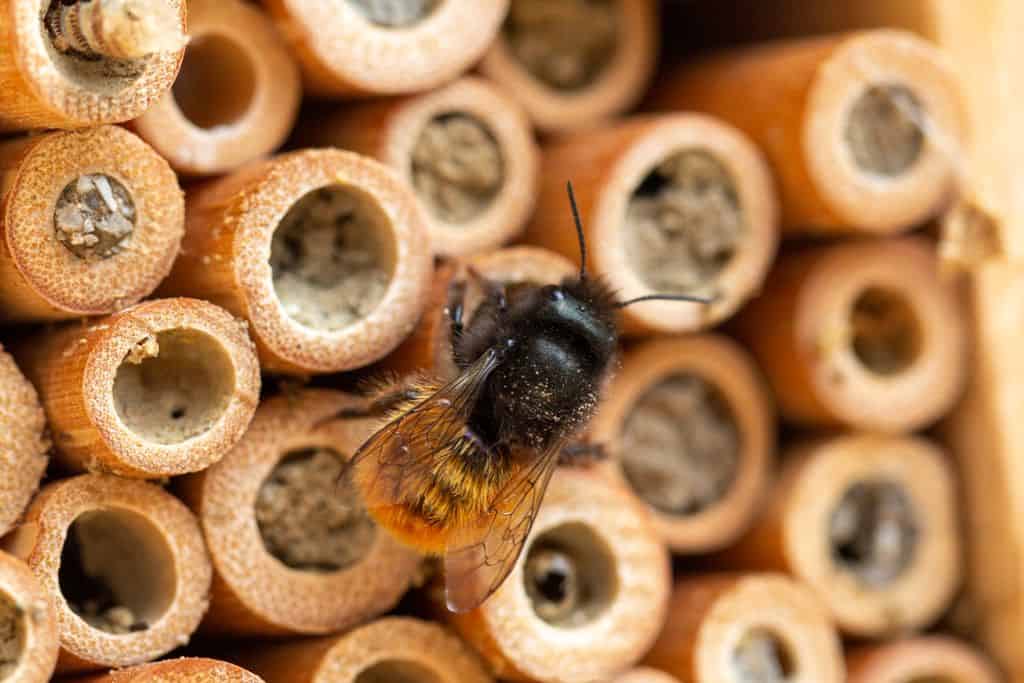
Bumblebees and solitary bees have different nesting habits. Some bumblebees use sheltered cavities, including old rodent burrows. Many solitary bees nest in the ground, while others use holes in wood or hollow stems.
Where practical, leave some sunny, bare soil undisturbed. Retain a quiet corner with vegetation and avoid clearing every hollow stem. If you spot bees repeatedly entering the same place, observe from a distance rather than digging around it.
If you discover an active nest, leave it undisturbed wherever possible. Avoid blocking the entrance or attempting to move it yourself.
Do you need a bee hotel?
A bee hotel can provide nesting space for certain cavity-nesting solitary bees. It won’t house every kind of bee, and it isn’t essential for a bee-friendly garden.
Choose a design with smooth entrances and protection from rain. Fix it securely in a sunny, sheltered position and follow appropriate maintenance advice. Occupied tubes may contain developing bees long after the adults stop visiting.
The Natural History Museum’s bee hotel guide explains a simple design and suitable positioning. Keep flowers nearby so nesting opportunities sit alongside a food supply.
Provide water with safe landing places
Bees and other pollinators sometimes need water. A shallow dish with clean stones offers somewhere to land without dropping into deep water.
Keep some stones above the surface, place the dish near flowers in a sheltered spot and refresh it regularly. Clean it when it becomes dirty.
Use plain water. A permanent dish of sugar water or honey isn’t a substitute for flowers.
You may already have a suitable saucer at home. Our homemade bird bath also began with ordinary garden items, and the same approach applies here: look at what you can reuse before buying something new.
Avoid pesticides in your bee-friendly garden
A garden can have plenty of flowers and still expose its visitors to harmful chemicals. Avoid pesticides and use non-chemical approaches where possible. Never spray open flowers.
Start by identifying a problem before treating it. A few damaged leaves may be tolerable, and you can sometimes remove affected growth or manage a small problem by hand.
For further guidance, read the Bumblebee Conservation Trust’s advice on going pesticide-free.
How to attract bees to a small garden or balcony
You can apply these ideas without a lawn or large border. Start with a few containers chosen for the light and shelter available.
For example, combine an early-flowering pot with herbs and later-flowering plants. Check how large each will grow and whether the container drains well. Water according to the plants’ needs so they stay healthy.
Build gradually. One well-cared-for pot is a better starting point than buying more plants than you can manage. Watch for visitors, note what works and add something that fills a gap in your flowering season.
What should you do if you find a tired bee?
A stationary bumblebee may simply be resting. Give it time rather than assuming it needs rescuing.
If it is in danger, gently encourage it onto a suitable object and move it a short distance to a sheltered spot near flowers. Avoid handling it directly.
The Bumblebee Conservation Trust recommends flowers first. If a bumblebee appears exhausted and suitable flowers aren’t available, a small amount of a 50/50 mixture of white sugar and water can provide a one-off energy boost. Offer it nearby on a spoon, without forcing it.
Never offer honey, and don’t leave sugar water out as routine food. See the Trust’s sugar-water guidance for details.
Common questions about attracting bees
Will more bees make the garden unsafe?
Bees visiting flowers generally carry on feeding when left alone. Give them space, avoid handling them and keep away from active nests. Teach children to watch without touching. If someone has a known sting allergy, take that into account when choosing planting and seating positions.
Do you need to keep honeybees?
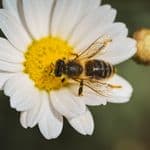
No. Growing suitable flowers and protecting nesting spaces can support visiting bees without installing a hive. A hive is a separate commitment, rather than a requirement for wildlife gardening.
How quickly will bees arrive?
There is no guaranteed timetable. Weather, flowering, nearby habitats and the bees already present all affect visits. Watch over several days and across the season rather than judging a new plant on one quiet afternoon.
Start with one change and enjoy the visitors
Learning how to attract bees to your garden can begin with one flowering pot, a patch of clover or a corner you leave undisturbed.
For us, watching and filming garden wildlife has become a family activity. You don’t have to know every species to enjoy looking closely. Take a photo, notice which flower a bee chooses and see what changes through the year.
What flowers do bees visit most in your garden? We’d love to hear what you’ve spotted.